

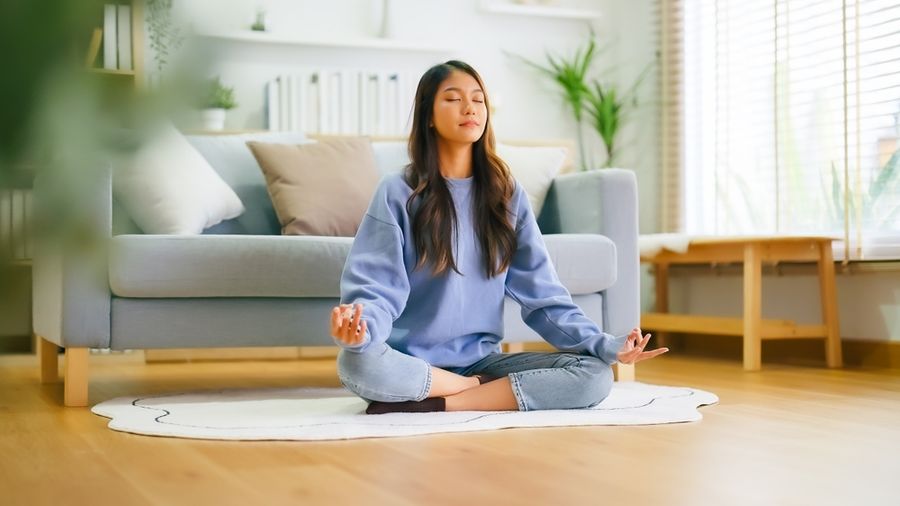
Meditation has become a popular wellness practice for reducing stress, improving focus, and supporting emotional balance. Despite its simplicity, starting can feel intimidating for beginners who assume meditation requires complete silence or a perfectly calm mind. In reality, meditation is often more about awareness than emptiness. Even a few minutes of consistent practice can support relaxation and mental clarity. With the right expectations and a flexible approach, meditation can become a realistic habit for everyday life.
Understanding What Meditation Really Is
Meditation is a practice of focusing attention and observing thoughts without becoming consumed by them. Many forms of meditation involve breathing, body awareness, or repeating a calming word or phrase. Rather than forcing the mind to stop thinking, meditation teaches a person to notice thoughts and gently return attention to a chosen focus point . This shift in awareness can support emotional control and mental resilience.
Meditation also helps train the nervous system to respond differently to stress. When practiced consistently, it may reduce reactivity and promote a greater sense of calm during daily challenges. Meditation does not require spiritual beliefs or special equipment. It can be practiced anywhere, including at home, outdoors, or even during a quiet moment in a parked car.
Choosing a Style That Fits Your Personality
Meditation is not one-size-fits-all, and beginners benefit from experimenting with different styles. Mindfulness meditation focuses on present awareness, while guided meditation uses audio instructions to help maintain focus. Loving-kindness meditation emphasizes compassion and positive emotions, while body scan meditation brings attention to physical sensations. Each style offers different benefits depending on personal preference.
For beginners, guided meditation can feel less frustrating because it provides structure . Breath-focused meditation is another simple starting point because breathing is always available as an anchor. Walking meditation may appeal to people who struggle to sit still, since it combines movement with mindfulness. Finding a comfortable style increases the likelihood of building a lasting habit.
Setting Realistic Expectations as a Beginner
Many people give up on meditation because they expect immediate results. Meditation is a skill that improves with practice, similar to learning a new language or building strength at the gym. Thoughts will appear, distractions will happen, and some sessions may feel unproductive. None of that means meditation is failing. Awareness of distraction is part of the practice.
Starting small makes meditation more sustainable. Five minutes per day is enough to begin building consistency. Longer sessions can come later if the habit feels natural. Beginners should also avoid judging progress too harshly. Some days will feel calm, while others will feel restless. The benefits often come from repetition and patience, not from a single perfect session.
Creating the Right Environment for Meditation
A calm environment can make meditation easier, especially in the beginning. A quiet space with minimal interruptions helps the mind settle more quickly . Turning off notifications, dimming the lights, or using soft background sounds can support relaxation. Comfort matters as well, since physical discomfort can quickly become a distraction.
Meditation does not require sitting cross-legged on the floor. Sitting in a chair, lying down, or using cushions for support can all work. The goal is to stay alert but relaxed. Some people enjoy lighting a candle or using calming scents to create a peaceful atmosphere. Keeping the environment simple helps meditation feel approachable rather than complicated or overly formal.
Making Meditation a Consistent Daily Habit
Consistency is often the biggest challenge for beginners. Choosing a specific time of day can help meditation become part of a routine, such as practicing in the morning, during lunch breaks, or before bed. Linking meditation to an existing habit, like brushing teeth or drinking coffee, can reinforce repetition and reduce forgetfulness.
Using meditation apps or short guided recordings can make the practice easier to maintain. Some people benefit from tracking progress with a calendar or journal. The most important factor is showing up regularly, even when motivation feels low. Short sessions still count and help build momentum. A consistent practice creates familiarity, making meditation feel more natural with time.
Building Calm Through Simple Daily Practice
Meditation is not about eliminating stress or forcing the mind into silence. It is a practice that strengthens awareness and encourages a calmer response to daily challenges. Beginners often benefit most from small sessions repeated consistently rather than long sessions done occasionally. A simple approach helps reduce pressure and makes meditation feel realistic.
With patience, meditation can support emotional balance, improved focus, and greater mental clarity. Each session builds familiarity with the practice, even when distractions appear. Progress often feels gradual, but small changes can have meaningful effects. Meditation becomes easier when treated as a supportive daily habit rather than a performance. A steady routine can create a stronger sense of calm and well-being.