

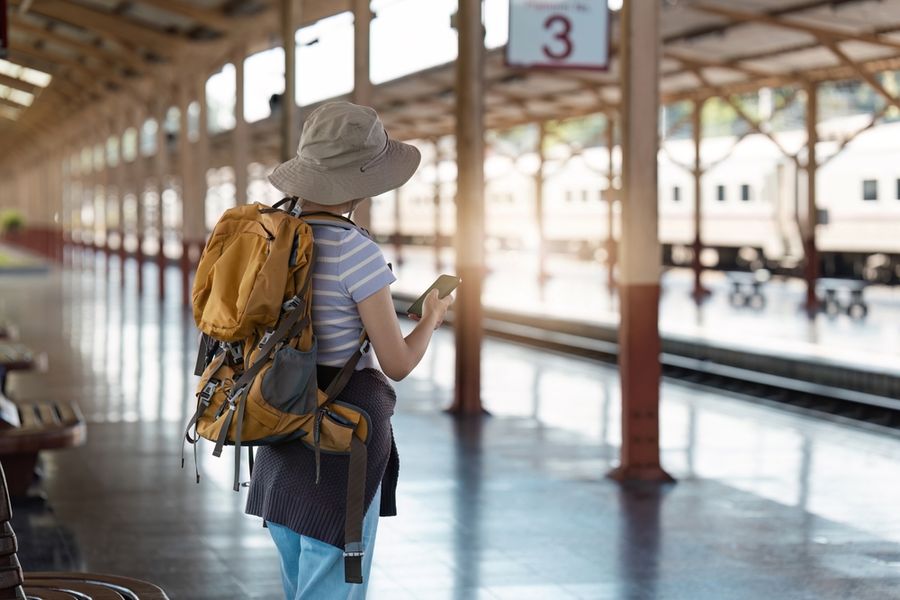
Travel can be an exciting way to experience new places, cultures, and routines. Even well-planned trips can come with risks, especially in unfamiliar environments. Safety habits help travelers avoid common problems such as theft, scams, and emergencies. A few smart precautions can protect personal belongings, reduce stress, and improve peace of mind. Staying aware and prepared allows travelers to focus on enjoyment while feeling confident and secure throughout the journey.
Keep Important Documents Secure
Passports, identification, travel insurance paperwork, and payment cards are some of the most important items to protect while traveling. Losing documents can quickly turn a relaxing trip into a stressful situation. Keeping physical copies and digital backups can help prevent major complications . Many travelers store copies in a secure email account or cloud storage for easy access.
Using a travel wallet or passport holder can help keep items organized. Documents should be carried in a secure bag rather than a back pocket or loose purse. When staying in hotels, storing passports in a safe or locked luggage can provide extra protection. Keeping essential documents secure helps prevent delays, identity theft, and unnecessary emergencies.
Stay Aware of Your Surroundings
Situational awareness is one of the most effective safety tools while traveling. Crowded areas such as public transportation stations, tourist attractions, and busy markets are common locations for pickpocketing. Paying attention to surroundings and avoiding distractions can reduce risk. Staying alert also helps travelers notice unusual behavior or potential hazards early.
Avoiding excessive phone use while walking can also improve safety. Looking lost or distracted may attract unwanted attention. It can help to plan directions before leaving a hotel or café instead of checking maps constantly in public spaces. Walking with confidence and staying aware of nearby people supports personal safety. Simple awareness often prevents common travel issues.
Protect Valuables and Avoid Common Theft Risks
Carrying expensive items openly can increase the risk of theft. Jewelry, designer bags, and high-end electronics may draw attention in unfamiliar areas. Keeping valuables out of sight and bringing only what is necessary reduces risk. A crossbody bag with a zipper or anti-theft backpack can provide added security.
Money should be stored in more than one place . Carrying a small amount of cash for daily expenses while keeping extra funds secured in luggage or a hotel safe can help prevent major loss. Using RFID-blocking wallets may also reduce electronic theft risks. Simple habits, such as keeping bags close and avoiding leaving items unattended, help travelers stay protected in busy environments.
Use Safe Transportation and Travel Smart at Night
Transportation choices can strongly affect travel safety. Using licensed taxis, trusted rideshare services, or reputable public transit systems reduces risk. When possible, travelers should confirm vehicle details before entering a rideshare car. Sharing trip information with a friend or family member can also provide added security.
Nighttime travel requires extra caution. Poor lighting and unfamiliar streets can increase vulnerability, especially in areas with limited foot traffic. Sticking to well-lit streets and avoiding isolated shortcuts can reduce risk. Walking with others when possible also improves safety. Planning transportation in advance helps prevent last-minute decisions that may lead to unsafe situations.
Prepare for Emergencies Before Leaving
Emergency planning is an important part of safe travel. Knowing the local emergency phone number and the location of nearby hospitals or clinics provides valuable preparation. Travelers should also carry basic medical supplies such as bandages, pain relievers, and prescription medications. Keeping a small emergency kit can prevent unnecessary stress during minor health issues.
Sharing travel itineraries with a trusted contact provides an extra layer of safety . It can also help to register travel plans with a government travel service when visiting certain countries. Having a backup payment card and a small amount of emergency cash is another helpful step. Preparation supports confidence and ensures travelers can respond quickly if unexpected situations arise.
Staying Safe While Enjoying the Journey
Travel safety does not require constant worry or fear. Simple precautions such as securing documents, staying aware, and protecting valuables can reduce many common risks. Choosing safe transportation and preparing for emergencies adds another layer of protection. Smart habits often prevent problems before they happen, allowing travel to feel more relaxed and enjoyable.
Confidence and awareness are two of the strongest safety tools a traveler can develop. Knowing basic safety strategies makes it easier to respond calmly in unfamiliar situations. A few practical steps can protect personal belongings, health, and overall peace of mind. Safe travel allows more freedom to enjoy new experiences without unnecessary stress. With preparation and awareness, travel becomes both exciting and secure.