

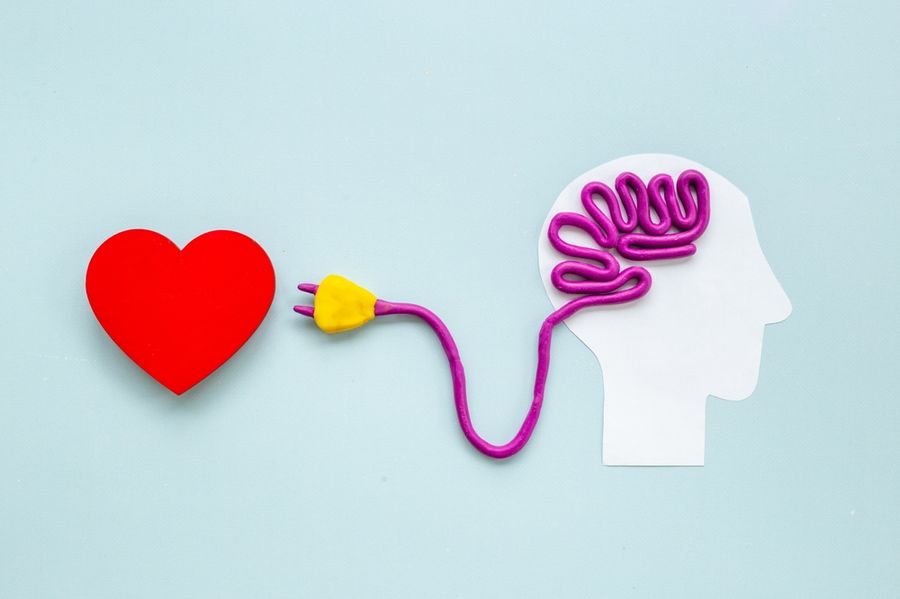
Emotional intelligence plays a major role in relationships, decision-making, and personal success. While intelligence is often associated with academic ability, emotional intelligence focuses on understanding and managing emotions effectively. It influences how people respond to stress, resolve conflict, and connect with others. Strong emotional intelligence can improve communication, leadership, and overall well-being. Developing this skill requires awareness, patience, and consistent effort, but the benefits often extend into every area of life.
Understanding the Core Components of Emotional Intelligence
Emotional intelligence is often described through five main components: self-awareness, self-regulation, motivation, empathy, and social skills. Self-awareness involves recognizing personal emotions and understanding how they influence behavior. Without this awareness, reactions may feel automatic and difficult to control.
Self-regulation refers to the ability to manage emotional responses in a healthy way . Instead of reacting impulsively, emotionally intelligent individuals pause and respond thoughtfully. Motivation involves maintaining a positive outlook and staying focused on long-term goals despite setbacks. Empathy allows individuals to understand the feelings of others, while social skills support clear and respectful communication. Together, these components shape how people navigate personal and professional relationships.
Why Self-Awareness Matters
Self-awareness forms the foundation of emotional intelligence. Recognizing emotions as they arise helps prevent misunderstandings and emotional outbursts . For example, noticing frustration early can prevent a heated reaction during a conversation. Self-awareness also improves decision-making because it allows individuals to separate facts from emotional responses.
Developing self-awareness requires honest reflection. Journaling, mindfulness practices, and feedback from trusted peers can help identify emotional patterns. Paying attention to physical cues, such as tension or changes in breathing, may also signal emotional shifts. Increased awareness provides greater control over behavior and supports more thoughtful interactions. Strong self-awareness builds confidence and reduces unnecessary conflict.
The Role of Empathy in Strong Relationships
Empathy is the ability to understand and share the feelings of others. It strengthens relationships by helping people feel heard and respected. When someone feels understood, communication becomes more open and productive. Empathy also reduces judgment and encourages compassion during disagreements.
Practicing empathy involves active listening and perspective-taking. Instead of focusing solely on personal viewpoints, emotionally intelligent individuals consider how others may feel in a situation. Asking clarifying questions and acknowledging emotions supports connection. Empathy does not require agreement, but it does require effort and attention. Strong relationships often depend on the ability to understand emotions beyond one’s own experience.
Managing Emotions Under Pressure
Stressful situations often reveal the level of emotional intelligence a person possesses. When pressure increases, emotional reactions can become stronger. Individuals with developed emotional intelligence recognize rising stress and use coping strategies to maintain control. Deep breathing, short pauses, and reframing negative thoughts can reduce impulsive reactions.
Managing emotions does not mean suppressing them. Instead, it involves choosing appropriate responses. Expressing concerns calmly rather than reacting aggressively preserves relationships and credibility. Emotional control during conflict often leads to better problem-solving outcomes. Learning to stay composed under pressure strengthens leadership skills and builds trust in both personal and professional settings.
Strengthening Social Skills and Communication
Social skills are the outward expression of emotional intelligence. Clear communication, conflict resolution, and collaboration all depend on understanding emotions in oneself and others. Individuals with strong social skills often navigate group settings with confidence and respect.
Building social skills may involve practicing assertiveness without aggression. It also includes recognizing nonverbal cues such as tone and body language. Constructive feedback, active listening, and thoughtful responses improve teamwork and relationships. Social awareness allows individuals to adjust behavior based on context. Strong social skills help create supportive environments where cooperation feels natural and productive.
Developing Emotional Intelligence Over Time
Emotional intelligence is not fixed; it can be developed through intentional practice. Reflecting on emotional reactions, seeking feedback, and improving communication habits gradually strengthen this skill. Progress often begins with small steps, such as pausing before responding during tense moments.
Consistent effort leads to noticeable improvements in relationships and personal growth. Emotional intelligence supports better conflict resolution, clearer communication, and stronger leadership abilities. Building this skill requires patience and self-reflection, but the long-term benefits are significant. Increased emotional awareness often leads to healthier interactions and improved well-being. With dedication and practice, emotional intelligence becomes a valuable lifelong asset.