

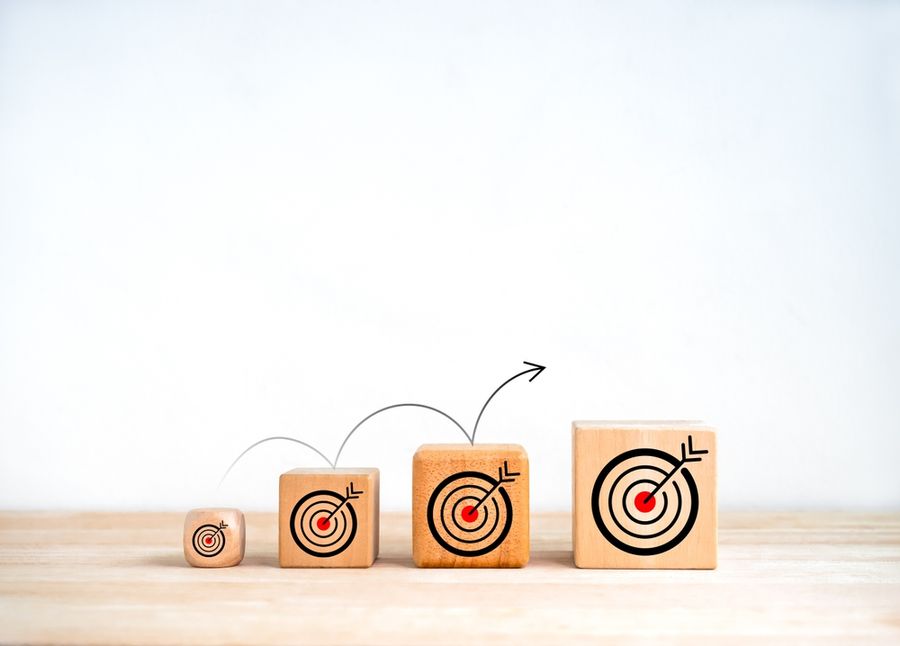
Small, steady progress often leads to bigger results than short bursts of effort. That is where micro goals come in: small, clear tasks that move you forward without feeling overwhelming. When used correctly, they help build momentum and make progress easier to manage. By breaking larger goals into simple steps, you can stay focused, track your results, and avoid burnout while still making meaningful improvements over time.
What Micro Goals Are and Why They Work
Micro goals are small, specific actions that are easy to complete in a short amount of time. Instead of setting a large goal like “get in shape,” a micro goal would be something like “walk for 15 minutes today” or “do 10 push-ups.” These smaller steps remove pressure and make it easier to get started.
They work because they reduce mental resistance. Big goals can feel unclear or too difficult, which leads to procrastination. Micro goals are simple and direct, so there is less thinking involved. This helps you take action faster. Over time, completing these small tasks builds confidence and creates a sense of progress that keeps you motivated.
How to Break Big Goals Into Micro Steps
The key to using micro goals is knowing how to break larger goals into smaller parts. Start by identifying your main goal, then divide it into clear actions that can be completed in one sitting. Each step should be simple and measurable so you know exactly when it is done.
For example, if your goal is to write a report, your micro goals might include outlining the main points, writing one section, and editing a single page. Each step should feel manageable on its own. Avoid combining too many tasks into one step, as this can make the goal feel too large again. Keeping each task small helps maintain focus and consistency.
Using Simple Tracking Systems
Tracking your micro goals is just as important as setting them. A simple system can help you stay organized and see your progress over time. Many people use basic tools like notebooks, calendars, or habit-tracking apps to record completed tasks.
The goal of tracking is not to create extra work, but to build awareness. Marking off completed micro goals gives you a visual reminder of your progress. This can be very motivating, especially on days when progress feels slow. Choose a system that is easy to use so you are more likely to stick with it every day.
Building Consistency With Daily Routines
Micro goals are most effective when they are part of a regular routine. Setting aside a specific time each day for your tasks can help turn them into habits. For example, you might review your micro goals in the morning and complete them in the afternoon.
Consistency matters more than intensity. Even completing one small task each day can lead to long-term progress. Try to keep your routine simple and realistic so it fits into your daily life. Over time, these small actions become automatic, making it easier to stay on track without extra effort.
Adjusting Goals Based on Progress
As you work through your micro goals, it is important to review and adjust them when needed. Some tasks may be too easy, while others may still feel too difficult. Pay attention to how you feel when completing each step and make changes as needed.
If a goal feels too large, break it down further. If it feels too simple, you can slightly increase the challenge. The goal is to keep a balance where tasks are manageable but still meaningful. Regular adjustments help you stay engaged and ensure that your system continues to work over time.
Using Visual Cues to Stay on Track
One effective way to stay consistent with micro goals is by using visual cues in your environment. This can be as simple as placing a checklist on your desk, setting reminders on your phone, or leaving tools in plain sight. For example, if your goal is to read daily, keeping a book on your nightstand makes it easier to follow through. These small cues reduce the effort needed to remember your tasks and help turn intentions into action.
Visual systems also make progress more noticeable. Seeing completed tasks marked off or tracked in a visible way can reinforce positive behavior. Over time, this creates a feedback loop where progress encourages more action. Keeping your goals visible helps maintain focus and makes it easier to stay committed, even when motivation is low.
Turning Small Steps Into Lasting Progress
Micro goals provide a practical way to move forward without feeling overwhelmed. By focusing on small, clear actions, you can build consistency and maintain motivation over time.
The process is simple: break larger goals into manageable steps, track your progress, and adjust as needed. When these techniques are used together, they create a steady path toward improvement that is easier to follow and more sustainable in the long run.