

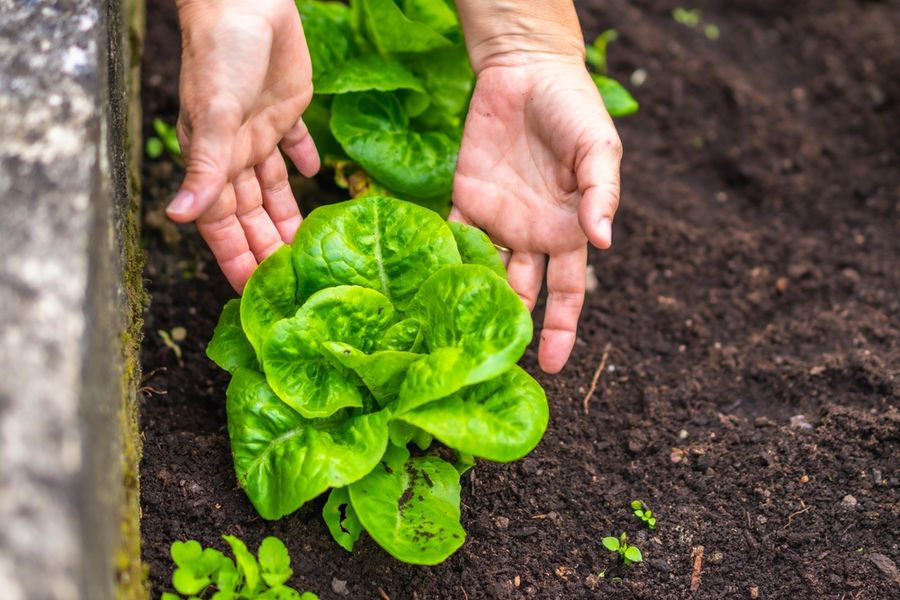
Growing vegetables at home can be rewarding, practical, and surprisingly relaxing. Fresh produce, outdoor activity, and the satisfaction of caring for plants make gardening appealing for many beginners. However, successful vegetable gardening requires more than simply planting seeds. Soil quality, sunlight, watering habits, and plant selection all influence the outcome. Understanding a few basic principles before getting started can help prevent frustration and increase the chances of a healthy, productive garden.
Choosing the Right Location for Your Garden
Location plays a major role in the success of a vegetable garden. Most vegetables require at least six to eight hours of direct sunlight each day. Without adequate sunlight, plants may grow slowly or produce fewer vegetables. Observing how sunlight moves across the yard throughout the day can help identify the most suitable planting area.
Good drainage is also important. Water should soak into the soil rather than pool around plant roots. Areas that remain soggy after rain may cause roots to rot or weaken plant growth. A garden placed near a water source can also make regular watering easier. Choosing a convenient and sunny location helps create a strong foundation for a productive vegetable garden.
Preparing Healthy Soil Before Planting
Healthy soil supports strong plant growth and better harvests. Many garden soils benefit from added organic matter such as compost, aged manure, or leaf mulch. These materials improve soil structure, increase nutrient availability, and help retain moisture. Preparing soil before planting can significantly improve plant health throughout the growing season.
Testing soil quality can also provide useful insight. Soil test kits or local extension services can help determine nutrient levels and pH balance. Some vegetables grow best in slightly acidic soil, while others tolerate a broader range. Adjusting soil conditions before planting allows vegetables to establish stronger roots and grow more efficiently.
Selecting Vegetables That Match Your Climate
Choosing vegetables suited to local growing conditions increases the likelihood of success. Climate, growing season length, and temperature patterns all affect plant development. Cool-season vegetables such as lettuce, spinach, and peas thrive in milder temperatures, while crops like tomatoes and peppers prefer warmer weather.
Beginners often benefit from starting with vegetables that are easier to grow. Crops such as radishes, green beans, zucchini, and herbs tend to grow quickly and require relatively simple care. Local gardening guides or extension services can help identify plants that perform well in a particular region. Selecting appropriate crops reduces frustration and improves early gardening results.
Understanding Watering and Maintenance Needs
Vegetable gardens require consistent care throughout the growing season. Regular watering helps maintain healthy plant growth and prevents stress during dry periods. Most vegetables grow best when soil remains evenly moist rather than completely dry or overly saturated. Watering early in the morning often helps plants absorb moisture before the heat of the day.
Maintenance tasks such as weeding, pruning, and monitoring plant health are also important. Weeds compete with vegetables for nutrients, sunlight, and water. Removing weeds early helps prevent them from spreading quickly. Checking plants regularly also makes it easier to spot pests or plant diseases before they cause serious damage.
Planning Space and Garden Layout Carefully
Garden layout affects both plant growth and ease of maintenance. Crowded plants may compete for sunlight, nutrients, and airflow. Proper spacing allows plants to grow fully and reduces the risk of disease. Seed packets and plant labels typically provide spacing recommendations that help guide planning.
Organizing plants by height and growth habits can also improve efficiency. Taller plants should be placed where they will not block sunlight from shorter crops. Paths between planting rows make watering, harvesting, and maintenance easier. A thoughtful layout helps create a garden that is both productive and manageable.
Building Confidence as a New Gardener
Starting a vegetable garden can feel intimidating at first, but simple preparation makes the process more manageable. Choosing the right location, preparing healthy soil, and selecting appropriate plants all contribute to early success. Regular care and observation allow gardeners to learn how plants respond to changing conditions.
Gardening often improves through experience and patience. Small challenges are common, especially during the first season. Each growing cycle provides new insights about soil, climate, and plant care. With steady attention and realistic expectations, beginners can gradually build confidence and enjoy the rewards of homegrown vegetables.