

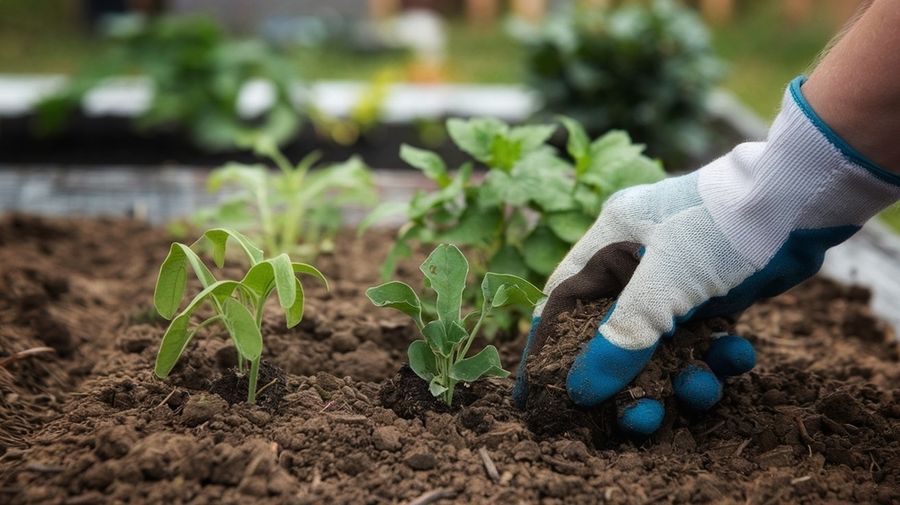
Gardening can be rewarding, but even experienced gardeners run into problems that affect plant health and growth. Wilting leaves, yellowing plants, pests, and poor harvests are common issues that can appear without warning. Many gardening challenges are caused by simple factors such as soil conditions, watering habits, weather, or nutrient imbalances. With a better understanding of common causes, gardeners can improve plant success and avoid repeated setbacks.
Poor Soil Quality and Nutrient Imbalances
Soil health is one of the most important factors in a successful garden. When soil lacks nutrients or has poor structure, plants may struggle to grow properly. Symptoms such as yellowing leaves, stunted growth, and weak stems often point to nutrient deficiencies. Soil that is too sandy drains too quickly , while soil that is too compact can prevent roots from spreading and absorbing nutrients.
Nutrient imbalances can also occur when fertilizer is applied incorrectly. Too much nitrogen may lead to leafy growth without flowers or fruit, while low phosphorus can limit root development. Soil pH plays a major role as well, since overly acidic or alkaline soil can block nutrient absorption. Testing soil periodically provides valuable insight into what plants need.
Overwatering and Underwatering Plants
Watering mistakes are among the most common gardening issues. Overwatering can lead to root rot, mold, and fungal growth, especially in containers or poorly draining soil . Plants may appear wilted even when soil is wet, because damaged roots can no longer absorb water effectively. Constant moisture can also attract pests such as fungus gnats and encourage disease.
Underwatering creates a different set of problems. Dry soil can cause drooping leaves, crispy edges, and slowed growth. Plants may drop flowers or fruit when water becomes inconsistent. Hot weather can worsen dehydration, especially for shallow-rooted plants.
Pest Damage and Insect Infestations
Insects can cause serious damage to gardens, especially when infestations go unnoticed. Aphids, caterpillars, spider mites, and beetles often feed on leaves, stems, or flowers. Signs of pest activity include holes in leaves, sticky residue, curled foliage, and visible insects on plant surfaces. Some pests reproduce quickly, allowing small problems to grow into widespread damage.
Pests are often attracted to weak or stressed plants. Poor soil conditions, inconsistent watering, and overcrowding can make plants more vulnerable. Some insects also thrive in warm, humid conditions. Regular inspection helps catch pests early before they spread. Natural solutions such as hand removal, insecticidal soap, neem oil, and companion planting may reduce pest damage.
Plant Diseases and Fungal Problems
Plant diseases are another common gardening challenge. Fungal issues such as powdery mildew , blight, and leaf spot often appear during humid weather or when plants have poor airflow. Symptoms can include white powdery coatings, black spots, yellow patches, and rotting stems. Once disease spreads, plants may decline quickly if not treated.
Many plant diseases develop when leaves stay wet for extended periods. Watering from above, especially in the evening, can encourage fungal growth. Overcrowded plants can trap moisture and reduce air circulation. Removing infected leaves and improving spacing often helps reduce spread. Choosing disease-resistant plant varieties can also lower risk.
Environmental Stress and Weather Damage
Weather conditions can strongly affect garden performance. Extreme heat can cause wilting, sunscald, and flower drop, while cold snaps can stunt growth or kill sensitive plants. Heavy rain may lead to flooding and nutrient loss, while strong winds can break stems and damage leaves. Sudden changes in temperature can shock plants and slow growth.
Environmental stress is not always avoidable, but preparation helps reduce damage. Mulching can protect roots from heat and moisture loss while also reducing weed growth. Shade cloth may protect delicate plants during intense summer heat. Staking taller plants prevents wind damage and keeps stems stable. Choosing the right plants for the local climate also improves success.
Growing a Healthier Garden With Better Awareness
Most gardening problems have a clear cause, even when symptoms seem confusing at first. Soil health, watering habits, pests, diseases, and weather conditions are responsible for many common issues. Paying attention to early warning signs makes it easier to correct problems before they become severe. Regular observation is one of the most valuable gardening tools, especially during peak growing seasons.
Successful gardening often comes from learning through experience and making small adjustments each season. Testing soil, improving drainage, and choosing the right plant varieties can prevent repeated struggles. Consistent watering, better airflow, and routine pest checks also support healthier growth. Gardening is not about avoiding every mistake, but about building skills and knowledge over time. With patience and steady effort, gardens can become stronger, more productive, and easier to maintain.