

Unwanted pests can quickly make a home feel uncomfortable and unhygienic. Ants, spiders, roaches, and rodents often enter homes searching for food, water, or shelter. While chemical sprays may seem like a quick solution, many homeowners prefer natural methods that feel safer for children, pets, and indoor air quality. Preventing pests naturally often comes down to cleanliness, sealing entry points, and using simple household remedies. With consistent habits, pest problems can often be reduced or avoided.
Keep Food and Crumbs Under Control
Pests are drawn to accessible food sources, even small crumbs and spills. Kitchens are one of the most common problem areas because counters, floors, and trash bins provide easy opportunities for insects and rodents. Wiping down surfaces daily and sweeping regularly can reduce the food supply that attracts pests. Storing pantry items in sealed containers also helps prevent bugs from getting into flour, cereal, sugar, and snacks.
Pet food can also attract pests when left out overnight. Feeding pets at scheduled times and storing food in airtight bins can reduce unwanted visitors. Taking out trash regularly and using tightly sealed garbage cans makes a big difference. Even small habits such as rinsing dishes promptly and cleaning under appliances can help reduce pest activity.
Remove Moisture and Standing Water
Many pests need water to survive, and damp areas can attract them quickly. Leaky pipes, dripping faucets, and standing water under sinks create ideal conditions for insects such as roaches and silverfish. Fixing leaks and drying wet areas helps remove one of the most common pest triggers. Bathrooms, basements, and laundry rooms are often areas where moisture builds up.
Using a dehumidifier can help reduce dampness, especially in humid climates or older homes. Good ventilation also matters, particularly in bathrooms and kitchens where steam is common. Emptying drip trays under houseplants and checking around appliances can reduce hidden moisture sources.
Seal Entry Points Around the Home
Pests often enter through small cracks, gaps, and openings around doors, windows, and foundations. Sealing entry points is one of the most effective ways to prevent insects and rodents from getting inside. Weather stripping, door sweeps, and caulk can close gaps that may seem minor but allow pests to pass through easily. Even small holes near plumbing or vents can become entry routes.
Checking the exterior of the home regularly helps identify weak spots. Screens should be repaired if torn, and window frames should fit tightly. Gaps around garage doors are also common problem areas. Sealing cracks not only reduces pest access but can also improve energy efficiency.
Use Natural Repellents and Household Remedies
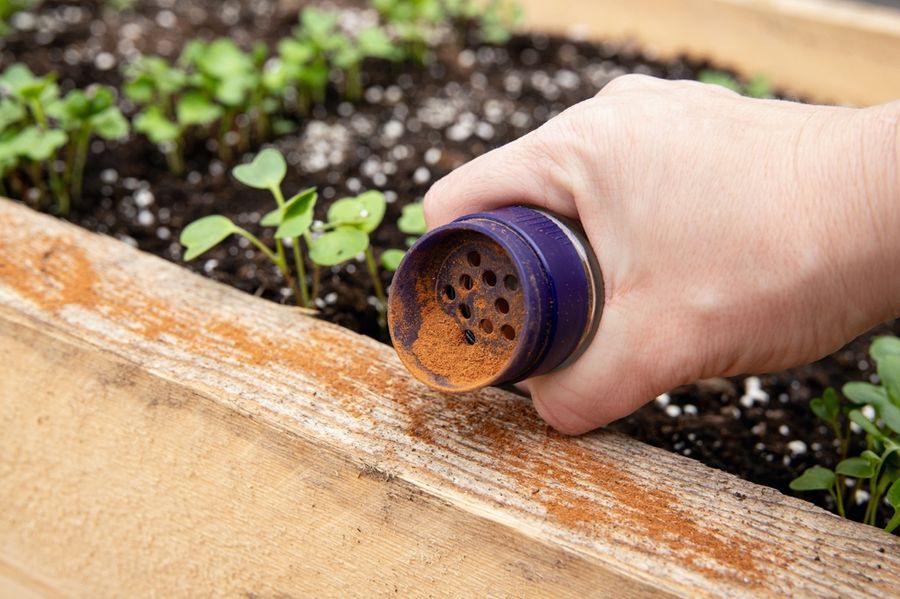
Many natural ingredients can help repel pests without harsh chemicals. Vinegar and lemon are often used for cleaning surfaces and discouraging ants. Peppermint oil is a common natural repellent for spiders and rodents, especially when applied near entry points. Cinnamon, cloves, and eucalyptus may also discourage certain insects due to strong scents.
Diatomaceous earth is another popular natural option . It is a fine powder made from fossilized algae that can help control insects such as ants, fleas, and roaches by drying them out. It is important to use food-grade diatomaceous earth indoors and follow safety instructions carefully.
Keep Outdoor Areas Clean and Maintained
Outdoor conditions often influence indoor pest problems. Overgrown shrubs, leaf piles, and standing water near the home create shelter for insects and rodents. Keeping landscaping trimmed and removing debris reduces hiding spots that allow pests to settle close to entry points. Firewood should be stored away from the house and kept elevated to reduce the risk of insects nesting nearby.
Garbage bins should be sealed and placed away from doors when possible. Gutters should be cleaned regularly to prevent water buildup that attracts mosquitoes and other pests. Outdoor lighting can also attract insects at night, especially bright white bulbs near entrances. Switching to warmer-toned bulbs may reduce bug activity near doorways.
Keeping Pests Away From Your Home Naturally
Natural pest prevention works best when approached as an ongoing routine rather than a one-time fix. Cleaning regularly, sealing entry points, and reducing moisture can address the main reasons pests enter homes. Small habits such as storing food properly and maintaining outdoor spaces can make a noticeable difference. Natural repellents can also be effective when used consistently and combined with other prevention methods.
A home without pests does not require harsh chemicals in many situations. Preventive steps often stop problems before they grow into major infestations. Paying attention to early warning signs, such as droppings, gnaw marks, or frequent insect sightings, can help homeowners respond quickly. Natural methods create a safer and healthier environment for many households.