

Improving energy efficiency at home can lower utility bills, reduce waste, and create a more comfortable living space. Many people assume energy upgrades require expensive renovations, but small changes often make a noticeable impact. Simple improvements such as sealing drafts, updating lighting, and adjusting daily habits can reduce energy use without major disruption. Energy efficiency also supports long-term home value and reduces strain on heating and cooling systems.
Seal Drafts and Improve Insulation
Drafts around doors and windows can cause heated or cooled air to escape, making HVAC systems work harder. Sealing gaps is one of the easiest and most affordable ways to improve efficiency . Weather stripping, caulk, and door sweeps can reduce airflow leaks that waste energy. Even small cracks around window frames can create noticeable temperature changes indoors.
Insulation also plays a major role in maintaining indoor comfort. Poor insulation allows heat to escape in winter and enter in summer, leading to higher energy costs. Adding insulation to attics, crawl spaces, or basements can help stabilize indoor temperatures. Many homeowners also benefit from insulating hot water pipes to reduce heat loss.
Upgrade to Energy-Efficient Lighting
Lighting is a simple area where upgrades can reduce energy use quickly. Switching from traditional incandescent bulbs to LED bulbs can lower electricity consumption while also extending bulb lifespan. LEDs use significantly less energy and produce less heat, making them a practical option for both indoor and outdoor lighting.
Energy-efficient lighting also supports better household routines. Smart bulbs and dimmers allow lighting levels to be adjusted based on time of day or activity. Motion-sensor lights can reduce unnecessary usage in hallways, closets, or outdoor areas. Replacing outdated fixtures with modern energy-efficient designs can also improve brightness and reduce strain on the electrical system.
Use Smart Thermostats and Temperature Controls
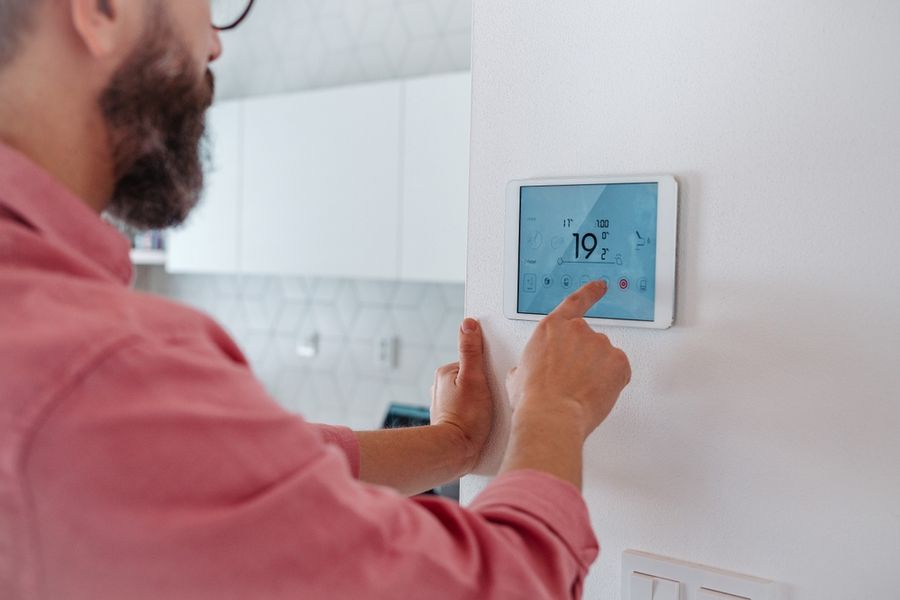
Heating and cooling account for a large portion of household energy use. A programmable or smart thermostat can help reduce waste by adjusting temperatures automatically when the home is empty or during sleeping hours . Setting slightly lower temperatures in winter and slightly higher temperatures in summer can lead to noticeable savings.
Smart thermostats also provide insight into energy habits. Many models track usage patterns and suggest adjustments based on household behavior. Ceiling fans can support temperature control as well by improving air circulation. In summer, fans help distribute cool air, while in winter they can push warm air downward. Small temperature changes and better airflow management often improve comfort while reducing energy costs.
Improve Appliance and Water Efficiency
Older appliances often use more energy than modern efficient models. Upgrading appliances such as refrigerators, washers, dryers, and dishwashers can reduce energy and water consumption. Even without replacing major appliances, maintaining them properly can improve performance. Cleaning dryer vents, replacing refrigerator seals, and running full loads can reduce unnecessary energy use.
Water heating is another major energy expense. Installing low-flow showerheads and faucet aerators reduces hot water usage without sacrificing comfort. Lowering the water heater temperature slightly can also reduce energy costs while still providing adequate hot water. Washing clothes in cold water is another simple adjustment that saves energy. Small improvements in appliance use can lead to meaningful efficiency gains.
Make Small Habit Changes That Reduce Waste
Daily habits influence energy use more than many people realize. Turning off lights when leaving rooms, unplugging unused electronics, and using power strips can reduce phantom energy drain. Devices such as televisions, chargers, and gaming systems may still consume power when turned off, adding to monthly costs.
Using natural light during the day can also reduce the need for indoor lighting. Adjusting blinds and curtains helps regulate temperature and reduces heating and cooling demands. Running ceiling fans, using energy-saving settings on appliances, and limiting excessive thermostat adjustments can improve efficiency. Simple routines create steady energy savings without requiring expensive upgrades.
Creating an Efficient Home One Step at a Time
Energy efficiency does not require a complete home renovation. Small upgrades such as sealing drafts, improving lighting, and upgrading thermostats can reduce energy waste and increase comfort. Appliance improvements and water-saving upgrades also contribute to lower monthly costs. Simple changes often add up quickly, especially when combined with consistent habits.
A more efficient home benefits both the household and the environment. Lower energy use reduces strain on heating and cooling systems and can extend the lifespan of home equipment. Many upgrades are affordable and can be completed gradually. With practical adjustments and a steady approach, energy efficiency becomes an achievable goal for nearly any homeowner.