

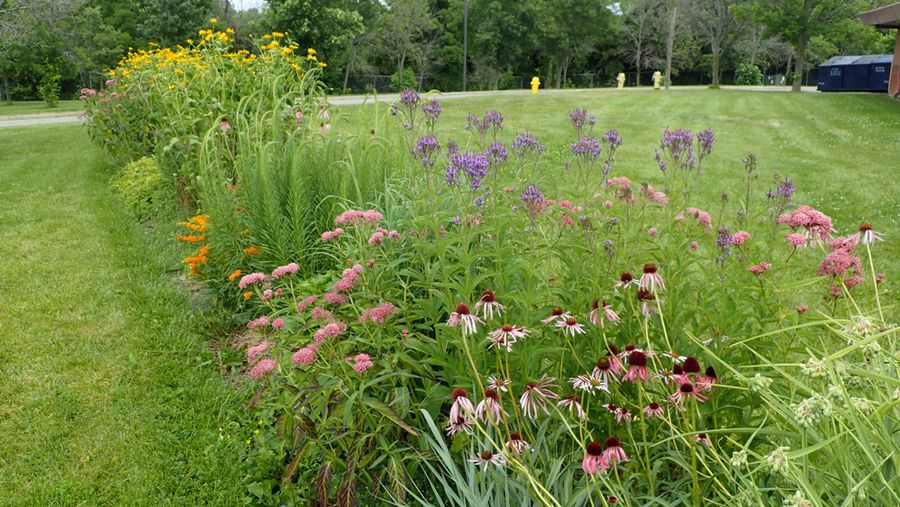
Creating a garden does not have to mean constant work and upkeep. Many homeowners are turning to native plants as a simple way to build outdoor spaces that are both beautiful and easy to manage. Native plants are naturally suited to local conditions, which means they require less water, fewer chemicals, and less attention overall. With the right approach, you can create a garden that thrives with minimal effort while still looking full and inviting.
Understanding What Native Plants Are
Native plants are species that naturally grow in a specific region without human help. Because they have adapted to local soil, weather, and wildlife, they tend to be more resilient than non-native options. This makes them a strong choice for anyone who wants a garden that does not require constant care.
In the United States, native plants vary by region. What grows well in Texas may not work in the Pacific Northwest. That is why it is important to choose plants that match your local area. When you use plants that already belong in your environment, they are more likely to survive and grow without extra support.
Choosing the Right Plants for Your Space
The first step in building a low-maintenance garden is selecting the right plants. Start by observing your yard. Look at how much sunlight different areas receive, how well the soil drains, and how much space you have available. These factors will guide your plant choices.
Once you understand your space, choose a mix of native plants that fit those conditions. For example, if you have a sunny area, look for native grasses or flowering plants that thrive in full sun. For shaded areas, choose plants that naturally grow under trees. Using a variety of plants can also help your garden stay healthy, as it supports pollinators and reduces the risk of pests spreading.
Preparing the Soil the Right Way
Healthy soil is the foundation of any garden, but native plants usually require less soil improvement than other types. In many cases, you can work with the soil you already have. Start by removing weeds and loosening the soil to help roots grow more easily.
Avoid adding too many fertilizers or soil treatments unless needed. Native plants are used to local soil conditions, so over-improving the soil can actually make it harder for them to adjust. A simple layer of mulch can help retain moisture, prevent weeds, and keep the soil temperature stable, all of which support plant growth with less effort.
Reducing Water and Maintenance Needs
One of the main benefits of native plants is their ability to handle local weather patterns. After they are established, many native plants need little to no extra watering. This makes them ideal for areas that experience dry seasons or water restrictions.
To make watering even easier, group plants with similar needs together. This way, you can water efficiently without overdoing it. Using mulch also helps keep moisture in the soil, which reduces how often you need to water. Over time, your garden will become more self-sufficient and require less hands-on care.
Supporting Natural Growth and Wildlife
A low-maintenance garden works best when it follows natural patterns. Native plants attract local pollinators like bees and butterflies, which help plants grow and reproduce. Birds and beneficial insects also play a role in keeping pests under control.
Instead of trying to control every detail, allow your garden to develop naturally. This means avoiding heavy use of chemicals and letting plants grow in their own way. A slightly more natural look not only reduces your workload but also creates a healthier environment for local wildlife.
Building a Garden That Works With Nature
A low-maintenance garden with native plants is a practical and rewarding choice for many homeowners. By selecting plants that match your region, preparing the soil carefully, and allowing natural processes to take place, you can reduce the time and effort needed to maintain your space.
Over time, your garden will become easier to manage while still providing beauty and balance. It should come as no surprise that working with nature, rather than against it, is the key to long-lasting success. This approach not only saves time but also creates a more stable and sustainable outdoor space that continues to improve with each growing season.