

Houseplants can brighten a space, improve indoor air quality, and add a sense of calm to any room. Despite good intentions, many plants struggle due to simple care mistakes. Yellowing leaves, drooping stems, and slow growth often result from watering issues, poor lighting, or incorrect soil conditions. Understanding the most common houseplant mistakes can make plant care feel less frustrating. With a few adjustments, indoor plants can grow healthier and become easier to maintain.
Overwatering Is the Most Frequent Problem
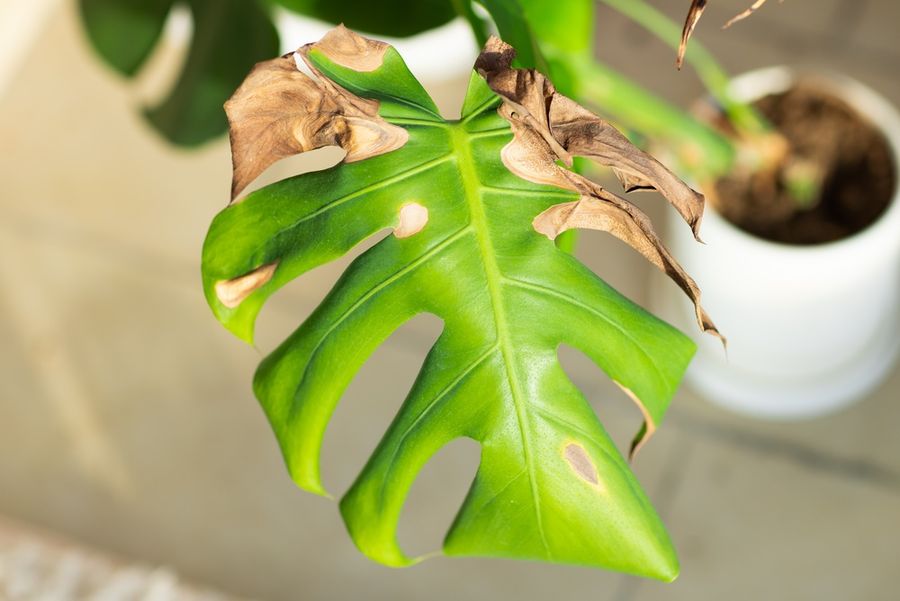
Overwatering is one of the leading causes of houseplant decline. Many people assume frequent watering keeps plants healthy, but excess moisture can suffocate roots. When soil stays wet for too long, roots may rot, preventing the plant from absorbing nutrients properly. Leaves may turn yellow or develop brown spots as a result.
Checking soil moisture before watering can prevent this issue. Inserting a finger into the soil or using a moisture meter helps determine when watering is actually needed. Most houseplants prefer soil that dries slightly between waterings. Choosing pots with drainage holes also allows excess water to escape . Healthy roots depend on balanced moisture rather than constant saturation.
Not Providing the Right Amount of Light
Light is essential for plant growth, yet it is often misunderstood. Some plants require bright, indirect light, while others tolerate lower light conditions. Placing a plant in the wrong location can lead to leggy growth, pale leaves, or slow development . Too much direct sunlight may also scorch leaves and cause fading.
Understanding a plant’s specific light needs improves success. South-facing windows typically provide the strongest light, while north-facing windows offer gentler exposure. Rotating plants periodically can also promote even growth. If natural light is limited, grow lights may provide supplemental support. Matching plants to the available lighting conditions prevents many common problems.
Using the Wrong Pot or Soil
The type of container and soil mixture can significantly affect plant health. Pots without drainage holes trap water, increasing the risk of root rot. Soil that is too dense may prevent airflow around roots, while soil that drains too quickly can dry out too fast. Different plants require different soil compositions to thrive.
For example, succulents and cacti prefer fast-draining soil mixes , while tropical plants benefit from moisture-retaining blends. Repotting plants into appropriate containers can improve drainage and root development. Overcrowded roots may also restrict growth, signaling that it is time for a larger pot. Choosing the right pot and soil supports long-term plant stability.
Ignoring Signs of Stress or Pests
Plants often show visible signs when something is wrong. Wilting, discoloration, or sticky residue on leaves may indicate pest activity. Common indoor pests include spider mites, aphids, fungus gnats, and scale insects. Ignoring early warning signs allows infestations to spread quickly.
Regularly inspecting leaves, stems, and soil helps catch problems early. Wiping leaves clean and removing damaged foliage improves plant health and appearance. Natural pest solutions such as neem oil or insecticidal soap can help manage infestations. Addressing stress signals promptly prevents minor issues from becoming major setbacks.
Forgetting to Adjust Care With the Seasons
Houseplants do not grow at the same rate year-round. During fall and winter, many plants enter a slower growth phase and require less water and fertilizer. Continuing a summer watering schedule during colder months can lead to overwatering. Reduced daylight hours also affect growth patterns.
Adjusting care based on seasonal changes helps maintain balance. Fertilizing less frequently in winter prevents nutrient buildup. Monitoring light exposure during shorter days may require repositioning plants closer to windows. Seasonal awareness ensures plants receive the right care throughout the year. Flexible routines support healthier and more resilient houseplants.
Growing Healthier Plants With Simple Adjustments
Most houseplant problems come down to a few manageable factors: water, light, soil, and attention. Small changes in care routines can significantly improve plant health. Checking soil before watering, choosing appropriate containers, and matching plants to available light often solve common issues quickly.
Indoor gardening becomes easier with observation and patience. Plants communicate their needs through visible changes, and responding early prevents larger problems. With consistent care and realistic expectations, houseplants can thrive in many home environments. A thoughtful approach reduces frustration and builds confidence over time. Healthy plants not only enhance décor but also create a more inviting and vibrant indoor space.