

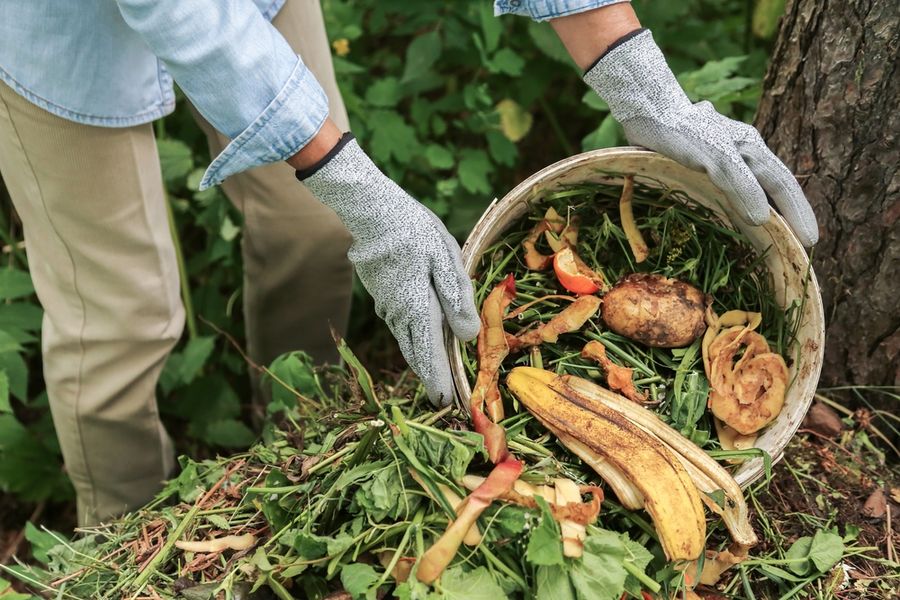
Composting is one of the simplest ways to reduce household waste while creating nutrient-rich material for gardens and plants. Food scraps and yard waste often end up in landfills, even though many of those items can be reused naturally. A compost system breaks organic matter down into a dark, soil-like substance that supports healthier plant growth. Composting can be done in large yards, small outdoor spaces, or even indoors with the right setup.
Understanding What Composting Is
Composting is the natural process of breaking down organic materials into nutrient-rich compost . Microorganisms, insects, and fungi work together to decompose food scraps and plant matter. The result is a dark, crumbly substance that improves soil quality and supports plant health. Compost helps soil retain moisture, improves texture, and provides nutrients that plants need to thrive.
Composting also reduces the amount of waste sent to landfills. When organic waste sits in landfills, it can produce methane, a greenhouse gas linked to environmental concerns. Composting offers a practical way to recycle kitchen and yard waste while benefiting gardens. Even beginners can start with a small compost bin and expand later if the process feels manageable.
What Can and Cannot Be Composted
Knowing what belongs in a compost pile is essential for success. Many kitchen scraps such as fruit peels, vegetable scraps, coffee grounds, eggshells, and tea bags are compost-friendly . Yard waste like leaves, grass clippings, and small branches can also be added. Paper materials such as shredded newspaper and cardboard can help balance moisture and provide carbon-rich material.
Some items should be avoided because they can attract pests or create unpleasant odors. Meat, dairy, oily foods, and cooked leftovers may cause problems in basic compost systems. Pet waste is also not recommended because it can contain harmful bacteria. Adding the right mix of materials helps keep the compost pile healthy.
The Importance of Greens and Browns
Compost relies on a balance between nitrogen-rich materials and carbon-rich materials. Nitrogen-rich items are often called “greens” and include food scraps, grass clippings, and fresh plant waste. Carbon-rich items are called “browns” and include dry leaves, cardboard, paper, and wood chips. Both are needed for healthy decomposition.
Too many greens can cause the pile to become wet and smelly, while too many browns can slow decomposition. A good general goal is adding more browns than greens to maintain balance. Browns help absorb moisture and allow airflow, while greens provide nitrogen that fuels microbial activity. When the mix is right, compost breaks down more efficiently and produces a rich, earthy smell instead of an unpleasant odor.
Choosing the Right Composting Method
The best composting method depends on available space and personal preference. Outdoor composting can be done using an open pile, a compost bin, or a compost tumbler. Open piles are inexpensive but may require more maintenance. Compost bins help keep materials contained, while tumblers make turning compost easier and may speed up the breakdown process.
Indoor composting is also possible, especially for apartment living. Countertop compost containers allow scraps to be collected before being transferred to an outdoor bin or local compost drop-off. Worm composting, also known as vermicomposting, uses worms to break down scraps in an indoor container.
Maintaining Your Compost for Best Results
A compost pile needs airflow, moisture, and regular mixing to break down efficiently. Turning the pile helps add oxygen, which supports healthy microbial activity . Without enough oxygen, compost can become compacted and develop a strong odor. Turning once every one to two weeks is often enough for most home compost setups.
Moisture levels matter as well. Compost should feel similar to a damp sponge, not soaking wet or completely dry. If the pile feels too dry, adding water or fresh greens can help. If it feels too wet, adding more browns such as shredded cardboard or dry leaves can improve balance.
Turning Waste Into Something Valuable
Composting offers an easy way to transform everyday scraps into a resource that supports healthier soil. With the right balance of greens and browns, even beginners can build a compost system that breaks down naturally and efficiently. A simple compost routine reduces waste while providing a natural alternative to chemical fertilizers. The process is practical, affordable, and beneficial for both home gardens and the environment.
Starting small can make composting feel less intimidating. A basic bin and a consistent habit of saving food scraps can quickly build momentum. Composting becomes easier with practice, especially once the right material balance is understood. Whether compost is used for houseplants, vegetable gardens, or landscaping, the results can be rewarding.